
From Shore to Sea: What It Takes to Run a Commercial Marine Operation in Australia
If you’re standing on the shoreline looking out at a fleet of commercial vessels, it’s easy to see the hardware—the hulls, the outboards, and the cranes. But anyone who’s spent a day in this industry knows that the boat is only about twenty per cent of the equation. Running a successful maritime operation in this country isn’t just about having a deck to stand on; it’s also about navigating a massive swell of regulation, safety protocols, and logistical hurdles before the keys even hit the ignition.
At Boab Marine, we’ve built one of the largest fleets of commercial vessels in Australia because we understand that when a client calls, they aren’t just looking for a boat. More importantly, they’re looking for a solution to a problem that’s usually time-sensitive and high-stakes. Whether you’re deploying silt curtains for a Tier 1 construction project or running a hydrographic survey in a remote inlet, here’s a look at what’s actually happening behind the scenes to keep a commercial operation afloat.
The Legislative Anchor: NSCV and AMSA
In Australia, the rulebook starts and ends with the Australian Maritime Safety Authority (AMSA). If you’re operating commercial boats, you live by the National Standard for Commercial Vessels (NSCV). This isn’t just a thick binder of suggestions; it is the definitive technical standard that dictates everything from how a vessel is designed and built to the specific safety equipment it must carry.
Compliance is where the amateurs get weeded out. Every vessel in a commercial fleet must be fit for purpose and surveyed correctly for its specific class of operation. You can’t just take a weekend runabout, throw a survey tool on the back, and call it a business. Complying with the NSCV means ensuring every vessel is pinned to the right service category—whether that’s carrying passengers, hauling cargo, or acting as a workhorse for marine construction.
The Right Tool: From Workboats to Commercial Barges
A common mistake in this industry is trying to make a vessel do something it wasn’t born to do. Efficiency in commercial maritime work comes down to matching the platform to the task.
For example, if you are installing environmental protection measures like log booms or silt curtains, you don’t just need buoyancy; you also require stability and deck space. This is where commercial barges become the MVP of the project. These platforms allow for the heavy lifting and precise positioning that a standard V-hull just can’t manage. They are often versatile, too. You need a platform that can be trucked to a remote site, launched quickly, and provide a rock-solid base for cranes or personnel.
On the flip side, if you’re moving film crews or surveyors, you need speed and maneuverability. We’ve expanded our fleet to include multiple inboard vessels and diverse trailer boats specifically so we can offer these tailored commercial marine solutions. At the end of the day, if you’re using the wrong tool, you’re burning daylight and budget.
The Logistics of “Anywhere”
Australia is a big place, and the water doesn’t always play nice with the road map. A massive part of running a commercial operation is the “wet or dry hire” logistics. Can you get the vessel to a remote site in the Kimberley? Is it trailerable, or does it need a complex coastal delivery?
A real commercial operator has to be a logistics expert first and a skipper second. This involves managing maintenance cycles so that a boat doesn’t fail when it’s five hours from the nearest mechanic, and ensuring that every vessel is ready for immediate mobilisation. When a project manager calls because a silt curtain has breached or a construction deadline is looming, they don’t want to hear about lead times. They want to know the boat is on the way.
Risk Management is the Real Work
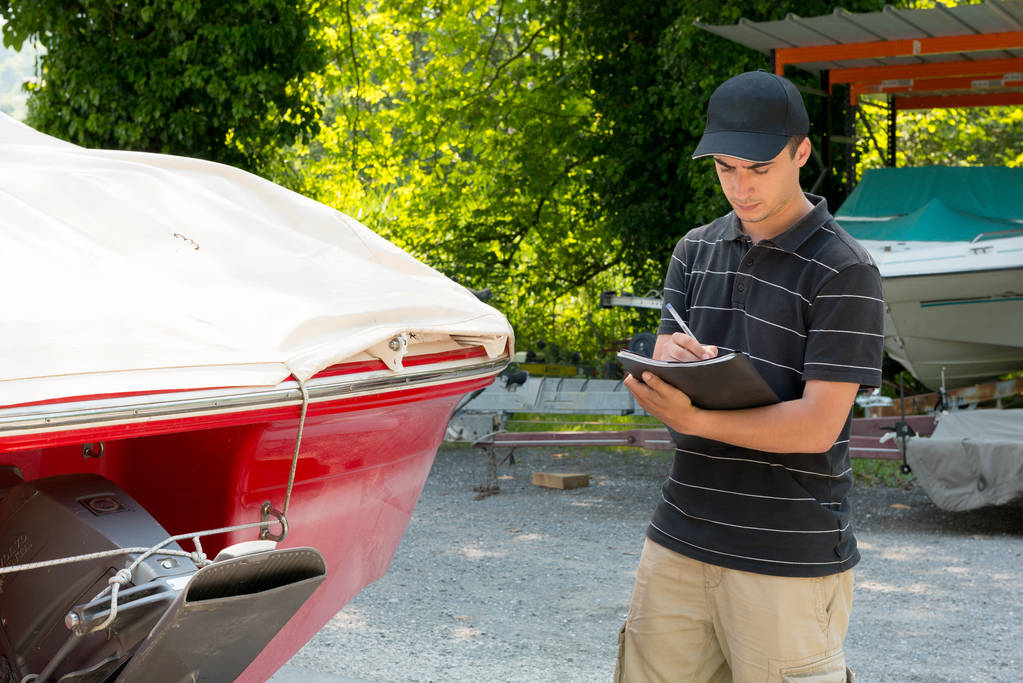
Beyond the paperwork and the engines, the core of any maritime operation is risk mitigation. The ocean is an unforgiving workplace. Running commercial vessels means constant oversight of Safety Management Systems (SMS). This covers everything from crew inductions and fatigue management to emergency drills and environmental spill kits.
When we provide a vessel, we’re providing a platform that has been vetted to survive the rigours of a commercial site. Each day, we strive to make it easy for our clients to understand these requirements because, frankly, they have enough to worry about with their own project milestones.
The Bottom Line
Operating in the Australian marine sector requires a no-nonsense mindset. You have to respect the regulations, obsess over the maintenance, and be ruthless about selecting the right vessel for the job.
Whether you’re looking for commercial marine solutions for a one-day survey or a six-month marine construction contract, remember that the best operators are the ones who make the complex look easy. It takes a lot of work behind the scenes to make sure that when you’re out on the water, the only thing you have to focus on is the job at hand.
If you want to learn more about commercial vessel hire, don’t hesitate to check out our FAQs below or contact us today for a quick consultation.
Frequently Asked Questions About Vessel Hire
What is the difference between “wet hire” and “dry hire”?
It comes down to who’s at the helm. Dry hire means we provide the vessel and the trailer, and you provide your own commercially qualified skipper and crew. This is a great, cost-effective option for long-term projects where you already have a team on-site. Wet hire means the vessel arrives with one of our highly-experienced, commercially qualified skippers. If the job involves complex maneuvering—like positioning commercial barges for bridge maintenance—having our guys on board ensures the job is done safely and to spec.
How do I know if a boat is compliant with the National Standard for Commercial Vessels?
You don’t just take the owner’s word for it. Every one of our commercial vessels carries a Certificate of Survey issued by AMSA. This document proves the vessel has been inspected by an accredited surveyor and meets the specific National Standard for Commercial Vessels for its class. When you hire from us, we provide all the necessary compliance paperwork up front so you can clear your site inductions without a headache.
Can you deliver commercial boats to remote work sites?
That’s exactly why we built the fleet the way we did. Most of our commercial boats are trailerable, meaning we can bypass the slow coastal delivery and get the gear to you via road. Whether you’re working in the Snowy Mountains or a remote inlet in Western Australia, we specialise in “anywhere” logistics. If the site is inaccessible by road, we coordinate the most efficient water-based delivery available.
Do your vessels come with specialised equipment for construction or survey work?
A hull is just a platform. Depending on your project, we can outfit our commercial vessels in Australia with a range of specialised hardware, including:
- Electric positioning systems and moon pools for hydrographic surveys.
- Cranes, winches, and custom anchoring systems for marine construction.
- Generators and compressors for dive teams and underwater film shoots.
- Dedicated mounting points for environmental protection gear, like silt curtains.
Can you source larger commercial barges for heavy plant equipment?
While we have an extensive fleet of trailerable options, we also have deep roots in the industry. If your project requires massive barges in Australia—the kind that carry excavators or serve as a base for piling rigs—we can source and mobilise modular solutions through our network of trusted partners. If it floats and it’s for work, we can get it to your site.