Environmental Legislation & Compliance for Marine Projects: A Practical Guide for Contractors
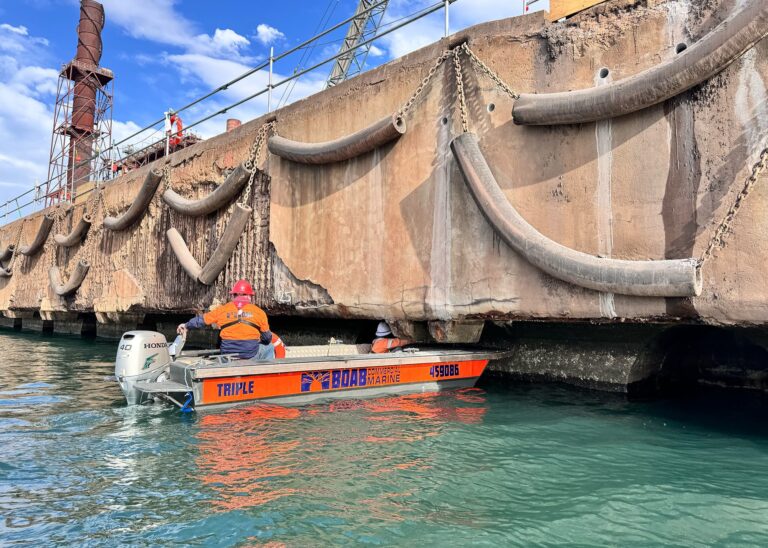
Marine projects rarely operate under predictable conditions. One site may involve protected waterways and strict sediment controls. Another may require work near mangroves, fisheries, or environmentally sensitive coastal zones where even small operational mistakes can create larger compliance issues.
Environmental compliance has become part of marine project planning from the very beginning, not something contractors deal with halfway through operations. For contractors working across dredging, transport, civil construction, hydrographic surveys, environmental services, or utility maintenance, understanding compliance requirements early helps reduce delays, operational risks, and costly disruptions later on.
According to the Australian Maritime Safety Authority AMSA, marine operators across Australian waters are responsible for maintaining both safety and environmental protection standards throughout vessel operations. Environmental compliance is closely tied to operational planning, vessel suitability, crew procedures, and risk management from project mobilisation through to completion.
Environmental Compliance Starts Long Before Marine Operations Begin
One of the biggest mistakes in marine projects is thinking environmental compliance only matters once work starts.
Most of it actually happens before vessels even mobilise. Contractors usually need to assess site sensitivity, vessel suitability, fuel handling, spill-response procedures, and waste-management plans early in the process.
Approvals can also involve councils, port authorities, or maritime regulators, depending on the project location. This is why operational preparation matters just as much as the physical work itself.
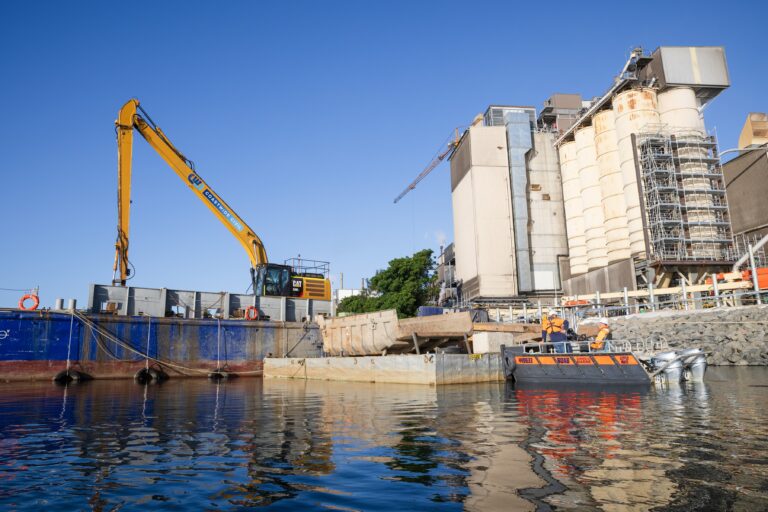
Our team regularly supports contractors requiring operational coordination across transport logistics, environmental operations, and remote work through our marine services. Early planning helps reduce avoidable disruptions once projects are already underway.
Vessel Selection Directly Affects Compliance Outcomes
Environmental legislation is not only about documentation. The vessel itself often determines whether marine operations can be carried out safely and in compliance with real-world conditions.
A poorly matched vessel creates operational risks quickly:
- Limited deck capacity
- Shallow draft restrictions
- Unstable loading conditions
- Inadequate fuel management systems
- Insufficient safety equipment
These can all increase environmental and operational exposure during active works, and become even more important in environmentally sensitive waterways where manoeuvrability and operational stability directly affect surrounding habitats and infrastructure.
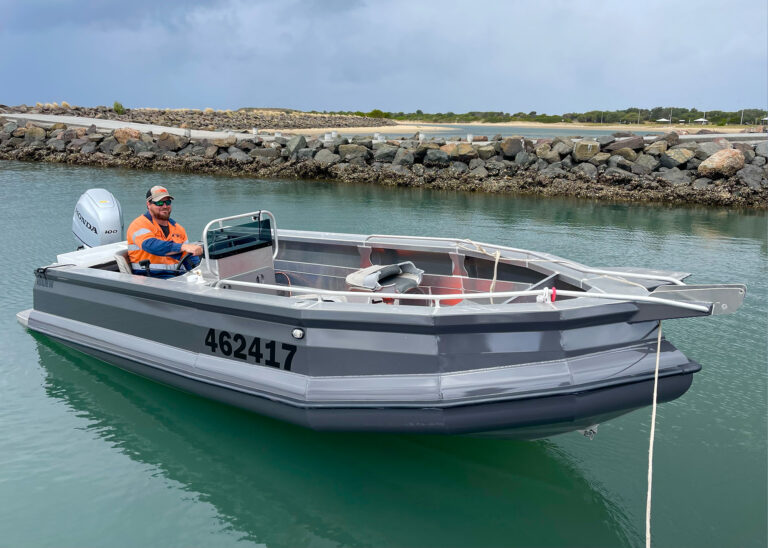
For contractors relying on commercial marine vessel hire across Australia, selecting compliant and project-ready vessels early helps reduce operational delays and avoid unnecessary complications once works begin. The vessel should support the project safely—not create additional risk for the crew or the environment.
At Boab Marine, our commercial vessel fleet is maintained to support a wide range of Australian marine project requirements.
Remote Marine Projects Require Higher Levels of Coordination
Environmental compliance becomes significantly more demanding once projects move into isolated or remote marine locations.
Infrastructure limitations change how projects need to operate. Fuel access becomes more difficult. Waste removal logistics become more complicated. Emergency response times increase considerably. Weather conditions also become less predictable depending on the region and season.
That combination creates operational pressure quickly.
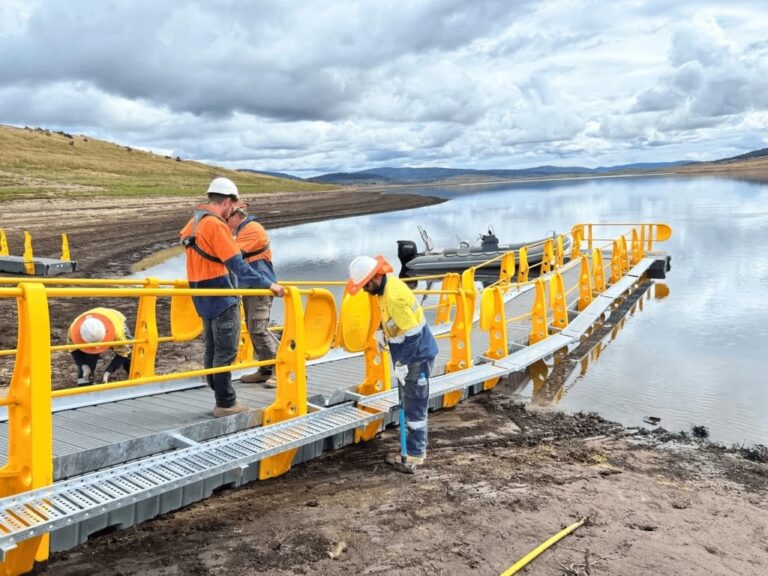
This is why remote marine projects usually require stronger coordination between contractors, vessel providers, environmental teams, and operational crews before deployment begins.
Our article on hiring marine vessels for remote locations discusses how logistics planning, site accessibility, operational support, and environmental considerations all influence project success in isolated marine environments.
Environmental Monitoring Expectations Continue to Increase
Environmental monitoring requirements across Australian marine projects have become far more rigorous than they were years ago. Depending on the project scope and location, contractors may now need ongoing monitoring around:
- Water quality and turbidity
- Sediment disturbance
- Habitat protection and contamination controls
This is particularly common for projects operating near fisheries, aquaculture zones, industrial waterways, ports, or protected coastal environments.
Monitoring is not simply about satisfying reporting obligations either. It helps contractors identify operational risks early before they develop into larger environmental incidents that disrupt timelines or attract regulatory attention.
Our team also provides specialised environmental marine services, particularly when contractors require operational support for environmental access, marine monitoring, or compliance-sensitive works.
The expectation now is proactive environmental management rather than reactive problem-solving after incidents occur.
Documentation and Crew Procedures Still Matter
One area contractors sometimes underestimate is operational documentation.
Environmental legislation does not only assess the outcome of an incident. Regulators also evaluate whether proper systems, procedures, and operational controls were followed consistently throughout the project.
That includes:
- Vessel certifications and maintenance records
- Spill-response procedures and fuel handling documentation
- Crew competency and environmental management records
Good systems reduce operational risk because crews understand responsibilities clearly before work begins.
This also connects directly back to vessel selection and operational preparedness. Our article on why safety and compliance start with the right vessel explores how vessel capabilities, maintenance standards, and crew readiness contribute to safer and more compliant marine operations.
What Contractors Should Review Before Marine Works Begin
Before mobilising vessels or equipment, contractors should already have a clear understanding of the operational and environmental obligations tied to the project site.
In practical terms, this usually includes reviewing:
- Permit and approval requirements
- Environmental risk assessments
- Vessel suitability for site conditions
- Spill response and fuel management procedures
- Crew certifications and safety documentation
- Environmental monitoring requirements
- Weather and access contingency plans
The earlier these requirements are addressed, the easier it becomes to prevent operational delays once marine works begin.
For contractors managing multiple stakeholders across marine logistics, environmental services, or infrastructure projects, compliance planning also helps improve coordination between crews, vessel operators, and regulatory bodies throughout the project lifecycle.
Compliance Also Protects Project Timelines
Many contractors initially view environmental legislation mainly from a regulatory or approval perspective.
Operationally, though, compliance also protects project continuity.
Environmental incidents can trigger investigations, delays, permit reviews, reputational damage, or temporary shutdowns. Even relatively small compliance failures may create expensive disruptions once contractors are already mobilised and working against strict delivery schedules.
That is why experienced marine operators approach environmental compliance as part of operational efficiency rather than treating it separately. Projects generally perform better when compliance systems are already integrated into planning:
- Safer workflows
- Fewer operational delays
- Clearer coordination between teams
That consistency becomes especially important on long-term civil, environmental, and infrastructure projects involving multiple contractors and stakeholders simultaneously.
Planning Marine Projects More Responsibly
Environmental legislation across Australia continues to tighten, especially around marine operations and environmental management.
For contractors, it is far easier to plan for compliance early than deal with delays or operational issues later on. The right vessels, experienced crews, and realistic planning all make a difference once projects are underway.
At Boab Marine, we support marine projects across Australia through vessel hire, transport logistics, environmental support, and remote access operations. If you’re planning upcoming marine works and need operational or vessel support, contact our team to discuss your project.